Sleep & Relaxation: Simple Ways to Create a Calmer Bedtime Routine
A relaxing bedtime routine does not have to be complicated. Explore practical ways to create a calmer evening, reduce stimulation, improve your sleep environment, and make winding down feel more natural.
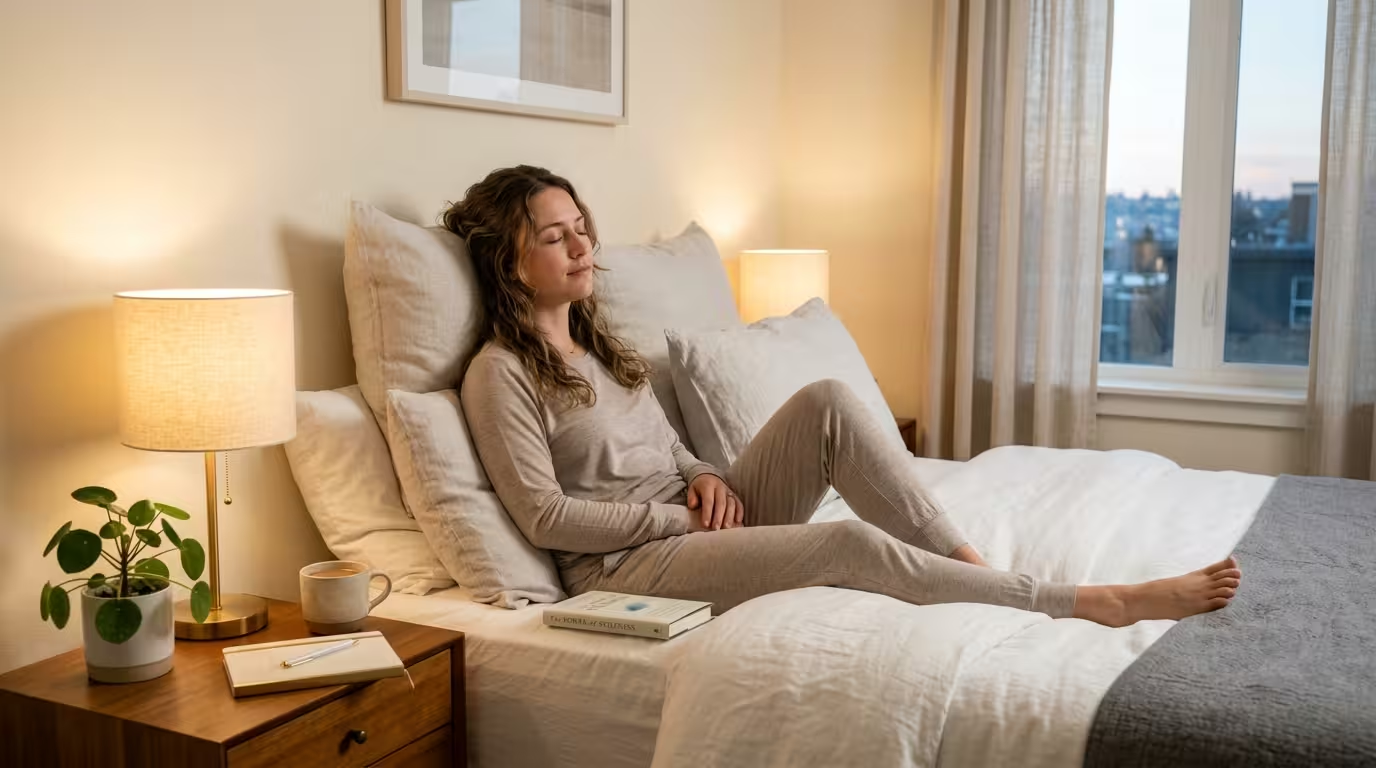
Sleep & Relaxation: Simple Ways to Create a Calmer Bedtime Routine
After a busy day of work, errands, responsibilities, and constant notifications, switching from “on” to “off” is not always easy. Even when you are physically tired, your mind may still feel active. That is why creating a simple bedtime routine can be one of the most useful ways to make evenings feel calmer and more intentional.
Sleep and relaxation are closely connected to the environment and habits surrounding bedtime. A comfortable bedroom, a consistent evening rhythm, less stimulation, and a few relaxing activities can make the transition into nighttime feel much smoother.
The goal is not to create a complicated wellness ritual. Instead, it is about building small habits that are realistic enough to repeat regularly.
Why a Relaxing Bedtime Routine Matters
Going directly from a stressful task, intense entertainment, or endless scrolling into bed can make bedtime feel like an abrupt change rather than a gradual transition.
A wind-down routine creates a predictable period between daytime activities and sleep. Over time, repeating similar relaxing activities can help make bedtime feel more familiar and intentional.
Your routine might be as simple as dimming the lights, putting your phone away, taking a warm shower, reading for a few minutes, and preparing your bedroom for the night.
1. Create a Consistent Evening Rhythm
One of the simplest ways to make bedtime more predictable is to keep your evening routine relatively consistent.
This does not mean every night needs to follow an exact schedule. Instead, try creating a general sequence that signals the end of your day.
- Finish demanding tasks for the evening.
- Lower the brightness of indoor lighting.
- Put away unnecessary notifications and devices.
- Complete your personal-care routine.
- Spend some quiet time doing something relaxing.
- Prepare your bedroom before getting into bed.
A predictable sequence can make the evening feel less rushed and more deliberate.
2. Make Your Bedroom Feel Calm
Your bedroom does not need to look like a luxury hotel to feel relaxing. Small environmental changes can make the space feel more comfortable and less distracting.
Start with the basics: keep the sleeping area reasonably tidy, choose comfortable bedding, reduce unnecessary visual clutter, and make the room feel suitable for nighttime.
Soft textures, neutral surroundings, comfortable pillows, and an uncluttered nightstand can create a more peaceful atmosphere without requiring a major bedroom makeover.
Simple Bedroom Improvements
- Keep unnecessary electronics away from the immediate sleeping area.
- Use comfortable bedding appropriate for the season.
- Keep the room dark enough for comfortable sleep.
- Reduce distracting noise when possible.
- Keep the bedroom organized rather than overcrowded.
3. Give Yourself a Screen-Free Wind-Down Period
Phones, tablets, laptops, and television can easily extend the day long after you intended to go to bed. Beyond the screen itself, social media, work messages, news, and entertainment can keep your attention active.
Consider creating a short period before bedtime when you stop using non-essential screens.
If completely avoiding your phone is unrealistic, make the transition gradual. Turn off unnecessary notifications, lower screen brightness, switch to a quieter activity, and avoid content that is likely to keep you mentally engaged.
4. Try Reading as a Relaxation Habit
Reading can be an easy alternative to scrolling when you want something enjoyable but less stimulating.
A physical book or another low-distraction reading option can become part of a simple nighttime ritual. Choose something that feels relaxing rather than something that keeps you intensely engaged or encourages you to stay awake for “just one more chapter.”
Even a short reading session can create a useful separation between the busyness of the day and bedtime.
5. Use Gentle Breathing and Relaxation Techniques
Relaxation does not always require special equipment. Slow, comfortable breathing can be incorporated into a quiet evening routine, particularly when you are intentionally taking a few minutes to sit or lie down without distractions.
Another option is progressive muscle relaxation, where you gently focus on different muscle groups and consciously release unnecessary tension.
These techniques should feel comfortable rather than forced. The purpose is to create a quieter moment and bring attention away from the day's activities.
6. Take a Warm Shower or Bath
A warm shower or bath can be a simple way to mark the transition from daytime into nighttime. It can also become a useful personal-care ritual that gives you a few uninterrupted minutes away from screens and other responsibilities.
Keep the experience simple. Comfortable water temperature, soft lighting, and a few minutes of quiet can be enough to make the routine feel more relaxing.
7. Be Intentional About Evening Lighting
Bright lighting can make an evening environment feel more like daytime. As bedtime approaches, many people find a softer and calmer lighting setup more comfortable.
Instead of keeping every light in the home fully illuminated, consider using lamps or lower-intensity lighting during your wind-down period.
A warm, softly lit bedroom can also create a more relaxing atmosphere for reading, stretching, journaling, or other quiet activities.
8. Try Gentle Evening Stretching
A few minutes of comfortable stretching can be a useful addition to a nighttime routine, particularly if you spend much of the day sitting at a desk.
Keep evening stretching gentle rather than turning it into an intense workout. Simple movements for the shoulders, neck, back, hips, and legs can create a quiet pause before bedtime.
The purpose is relaxation and comfort—not pushing your body to its limits.
9. Create a “Mental Off-Ramp” for the Day
Sometimes the biggest obstacle to relaxing at night is not the bedroom. It is the list of thoughts running through your head.
If tomorrow's tasks keep coming to mind, consider writing them down before getting into bed. A short to-do list or simple journal entry can help separate planning time from sleep time.
You can also write down a few things you completed during the day. This creates a clear endpoint instead of continuing to mentally review unfinished tasks.
10. Make Your Bed Comfortable Without Overcomplicating It
Comfort is an important part of creating a relaxing sleep environment. Your mattress, pillow, bedding, room temperature, and sleeping position all contribute to how comfortable your bedroom feels.
You do not need to buy every trending sleep product. Start by identifying what actually bothers you at night.
- If you feel too warm, consider lighter bedding or improving airflow.
- If your pillow feels uncomfortable, explore options that better suit your preferred sleeping position.
- If your room feels cluttered, simplify the area around the bed.
- If outside light is distracting, consider practical ways to make the room darker.
- If noise is disruptive, explore ways to reduce or mask unwanted sound.
11. Build a Relaxation Routine You Can Actually Maintain
The most elaborate bedtime routine is not necessarily the most useful one. A routine that takes an hour every night may become difficult to maintain when life gets busy.
Instead, choose two or three habits that genuinely feel relaxing.
For example, your routine could be as simple as:
- Dim the lights.
- Put your phone aside.
- Take a warm shower.
- Read for a few minutes.
- Get into a comfortable, prepared bed.
Once that routine feels natural, you can add another habit if you genuinely enjoy it.
12. Avoid Turning Sleep Into Another Source of Pressure
It is easy to become frustrated when sleep does not happen immediately. Constantly checking the clock or worrying about whether you are getting enough sleep can make bedtime feel stressful.
Instead, focus on creating conditions that support relaxation rather than trying to force yourself to fall asleep at a particular moment.
If sleep problems are persistent, severe, or affecting your daily life, it is appropriate to discuss them with a qualified healthcare professional rather than relying only on lifestyle changes.
A Simple American-Style Evening Wind-Down Routine
For a busy workday, an uncomplicated routine might look something like this:
- After dinner: Finish remaining household tasks and prepare for tomorrow.
- About an hour before bed: Reduce unnecessary screen use and lower the lighting.
- 30–45 minutes before bed: Take a shower, complete skincare, or change into comfortable sleepwear.
- 20–30 minutes before bed: Read, journal, stretch gently, or listen to something calming.
- At bedtime: Keep the bedroom comfortable, dark, quiet, and free from unnecessary distractions.
The exact timing is less important than creating a consistent transition from an active day to a quieter evening.
Sleep and Relaxation Products: What Is Actually Worth Considering?
The wellness market is filled with products designed to make bedtime feel more comfortable, including sleep masks, soft bedding, pillows, bedside lamps, relaxation tools, journals, and sound machines.
Before purchasing anything, identify the specific problem you are trying to solve.
If light is the issue, a comfortable sleep mask may be more useful than another decorative bedroom accessory. If your room feels harsh at night, a softer bedside lamp may make more sense. If your bedding feels uncomfortable, improving the basics may provide more value than adding multiple gadgets.
A good sleep environment is usually built around comfort and consistency rather than having the largest collection of wellness products.
Final Thoughts
Better relaxation does not have to mean completely redesigning your lifestyle. Small changes—less evening stimulation, a calmer bedroom, comfortable bedding, gentle activities, and a predictable wind-down routine—can make nighttime feel more intentional.
The best routine is one that fits your real life. Start small, pay attention to what genuinely helps you feel calmer, and build a bedtime environment that feels comfortable rather than complicated.
And remember: lifestyle habits are not a substitute for professional care. If ongoing sleep difficulties are interfering with your daily functioning or wellbeing, consider speaking with a qualified healthcare professional.