Affordable Fashion: How to Build a Stylish Wardrobe on a Budget
Learn how to build a stylish and versatile wardrobe without overspending. This affordable fashion guide covers budget-friendly shopping, quality, fit, fabrics, cost per wear, capsule wardrobe essentials, sales, and smarter ways to choose clothes that work in real life.
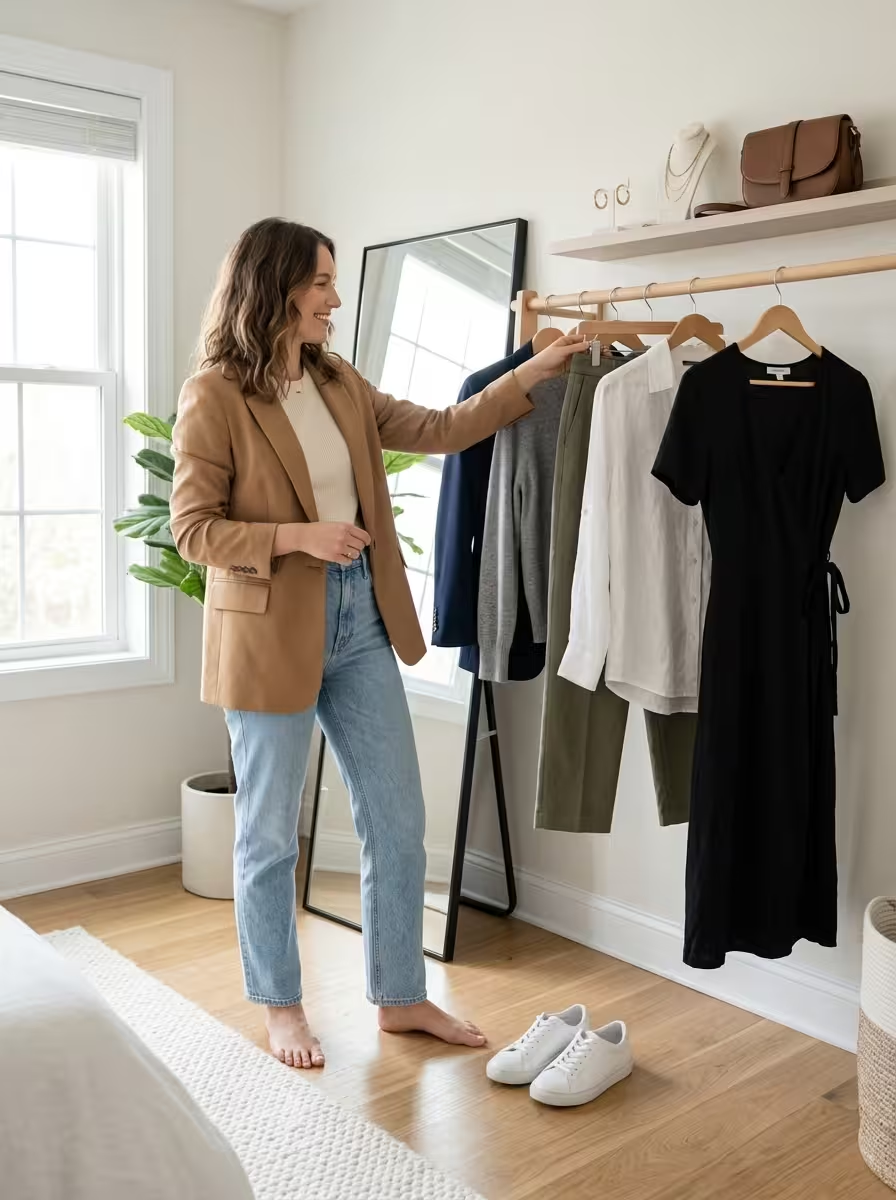
Affordable fashion is not simply about finding the lowest price. A truly affordable wardrobe is one that gives you useful, comfortable, versatile clothing without making you constantly replace pieces that do not fit, wear well, or work with the rest of your closet.
For many shoppers, the goal is to look polished while staying within a realistic clothing budget. That means learning how to compare price, quality, fit, fabric, versatility, care requirements, and expected wear instead of judging a garment by its price tag alone.
This guide explains how to shop affordable fashion more strategically, build a wardrobe around pieces you will actually wear, avoid common budget-shopping mistakes, and get more value from every clothing purchase.
What Does Affordable Fashion Really Mean?
Affordable fashion can mean different things depending on your budget, lifestyle, and shopping priorities. A $20 top may look inexpensive, but it is not necessarily a good value if it fits poorly, loses its shape quickly, or only works with one outfit.
On the other hand, a moderately priced piece may become the more economical choice when it can be worn repeatedly, styled in different ways, maintained easily, and combined with clothing you already own.
That is why affordable fashion is better understood as value-focused shopping rather than simply buying the cheapest available item.
Affordable Does Not Have to Look Cheap
A polished outfit is often more about proportion, coordination, fit, and styling than the original price of each item.
Simple clothing can look elevated when the fit is appropriate, the colors work together, the fabric is suitable for the occasion, and the outfit has a clear visual balance.
For example, a basic neutral top with well-fitting trousers, clean footwear, and a simple accessory can create a more refined look than a much more expensive outfit built from pieces that clash or fit poorly.
When shopping on a budget, focus on the overall appearance of the outfit rather than trying to make every individual item look luxurious.
Start With the Clothes You Actually Need
One of the easiest ways to overspend on fashion is to shop without a clear purpose. A sale can make an item seem inexpensive even when you have no practical reason to own it.
Before buying something, think about where you expect to wear it. Consider your work routine, weekends, social activities, climate, travel plans, and personal style.
A useful wardrobe usually includes a combination of everyday basics, practical layers, comfortable bottoms, occasion-appropriate pieces, and a few items that add personality.
The exact mix depends on your lifestyle. Someone working in an office may need more polished trousers, shirts, knitwear, and layering pieces, while someone working remotely may prioritize comfortable separates that can still look presentable on video calls or during casual outings.
Build Around Versatile Wardrobe Essentials
Affordable fashion becomes easier when your wardrobe has a strong foundation of pieces that work across multiple outfits.
Useful categories often include neutral tops, versatile trousers or jeans, comfortable knitwear, lightweight layers, a practical jacket, everyday shoes, and accessories that can change the appearance of basic outfits.
The goal is not to own a specific number of items. The goal is to create enough outfit combinations that the clothes you buy actually earn their place in your closet.
A simple test is to ask whether a new item can work with at least three pieces you already own. If you cannot immediately imagine multiple outfits, think carefully before purchasing it.
Use a Cost-Per-Wear Mindset
Price alone does not tell you whether clothing is affordable over time.
A useful way to think about value is cost per wear:
Cost per wear = total purchase cost ÷ estimated number of wears
For example, imagine one pair of trousers costs $30 and you expect to wear it five times. Its estimated cost per wear would be $6.
Another pair might cost $70 but become part of your regular work and weekend rotation and receive 35 wears. Its estimated cost per wear would be $2.
This does not mean the more expensive item is automatically better. The calculation is useful because it encourages you to consider how often you will realistically wear something rather than focusing only on the initial price.
Think About Fabric Before You Think About the Trend
Fabric plays an important role in comfort, appearance, care, and long-term usefulness.
Different materials can be appropriate for different clothing categories. Lightweight cotton may work well for everyday warm-weather tops, while structured fabrics may be more suitable for polished trousers or jackets. Stretch materials can improve comfort in some garments, while heavier knits can provide warmth and structure.
Instead of assuming that natural fibers are always better or synthetic fibers are always inferior, consider whether the fabric makes sense for the garment's intended use.
Also check care instructions before purchasing. A very inexpensive garment can become less convenient if it requires frequent special cleaning, careful handling, or maintenance that does not fit your routine.
Fit Can Make Affordable Clothing Look More Expensive
Fit is one of the most important factors in creating a polished wardrobe.
A low-cost garment that fits correctly can look intentional and refined, while a more expensive item can look awkward when the proportions are wrong.
When shopping online, do not rely only on the size label. Check garment measurements where available, including waist, hip, rise, inseam, shoulder width, sleeve length, and overall garment length.
For jeans and trousers, pay particular attention to rise, inseam, and waistband fit. For jackets and blazers, shoulder placement and sleeve length can make a major difference. For tops, consider whether you prefer a fitted, relaxed, cropped, or oversized silhouette.
If you are between sizes, review the retailer's measurement chart and return policy before placing the order.
Build a Simple Affordable Capsule Wardrobe
A capsule wardrobe can make budget fashion much easier because the emphasis is on coordination rather than quantity.
You do not need a perfectly minimalist closet to use the capsule concept. The basic idea is to choose clothing that can be mixed, matched, layered, and repeated without feeling like you are wearing the exact same outfit every day.
A practical affordable capsule might include:
- Everyday tops in neutral or complementary colors
- One or two versatile pairs of jeans or trousers
- A comfortable layer such as a cardigan, sweater, or overshirt
- A practical jacket or lightweight outer layer
- A dress or polished outfit for occasions that require something different
- One everyday sneaker or comfortable shoe
- One slightly dressier footwear option
- A small selection of accessories that change the look of basic outfits
The purpose is not to follow a fixed checklist. Instead, use the capsule approach to identify what your wardrobe is missing and avoid buying duplicates of things you already have.
Choose Colors That Work Together
Color coordination can dramatically increase the number of outfits you can create from a relatively small wardrobe.
Neutral shades such as black, white, navy, gray, cream, beige, and denim are often easy to combine. You can then add one or two accent colors that reflect your personal style.
This does not mean your wardrobe has to be boring. Prints, textures, jewelry, bags, scarves, shoes, and accent colors can add personality while the core pieces remain easy to coordinate.
A useful strategy is to create a simple base palette first and then add statement pieces selectively rather than buying several unrelated colors at once.
Do Not Let Sales Create Your Wardrobe
Discounts can be useful, but a low price does not turn an unnecessary purchase into a smart purchase.
Before buying a sale item, ask yourself why you want it, how often you expect to wear it, and what existing pieces it will work with.
Also check whether the advertised discount comes with conditions such as a minimum purchase, limited return period, membership requirement, or final-sale status.
A good sale should reduce the cost of something you already need, not convince you to buy something you would otherwise skip.
Look for Quality Details at Affordable Prices
You do not need luxury construction to find useful clothing at an affordable price, but paying attention to small details can help you identify pieces that are more likely to work well in your wardrobe.
Inspect seams, stitching, fabric weight, buttons, zippers, hems, lining, and overall construction. Check whether the garment appears symmetrical and whether important stress points are reinforced.
For knitwear, consider the feel and structure of the fabric and whether the care instructions fit your lifestyle. For denim, consider stretch, rise, inseam availability, and how the cut works with the shoes you typically wear.
These details do not guarantee long-term durability, but they can provide more useful information than price alone.
Use Reviews as Evidence, Not as a Guarantee
Customer reviews can help identify recurring issues with sizing, transparency, fabric feel, color accuracy, shrinkage, or fit.
However, reviews describe individual experiences, so they should be treated as signals rather than absolute proof.
Look for repeated patterns across multiple reviews. If several shoppers mention that a particular style runs small, that is more useful than a single comment claiming the item fits perfectly.
Also distinguish between reviews about the exact garment and general comments about a retailer or brand. A shopper's experience with one product may not apply to every item in the store.
Check Return Policies Before Buying Online
Affordable online shopping can become expensive when returning a poor-fitting item is difficult or costly.
Before placing an order, review the return window, final-sale exclusions, return shipping rules, exchange options, and refund process.
This matters especially for jeans, trousers, fitted dresses, shoes, structured jackets, and other items where sizing and proportions are important.
A slightly higher-priced garment with a straightforward return process may carry less shopping risk than a cheaper item that is difficult to return.
Shop Your Closet Before You Shop Online
One of the most effective affordable fashion strategies costs nothing: use what you already own.
Before purchasing a new top, jacket, or pair of trousers, look through your current wardrobe. You may already have pieces that can create the look you want with a different combination or styling approach.
Try changing proportions, layering pieces, switching footwear, adding accessories, or combining casual and polished items.
This approach can also reveal actual wardrobe gaps. Instead of buying randomly, you can identify the one category that would create the most new outfits.
Buy Trends in Moderation
Fashion trends can be fun, but trend-heavy purchases deserve a different budget strategy from everyday basics.
A timeless pair of trousers may be worn for years, while a highly specific trend piece may have a shorter style life.
That does not mean you should avoid trends. Instead, consider how frequently you are likely to wear the item and how easily it can be styled with the rest of your wardrobe.
Affordable trend pieces can make sense when you intentionally treat them as occasional additions rather than building your entire wardrobe around short-term trends.
Consider Secondhand and Pre-Owned Fashion
Secondhand shopping can expand an affordable fashion budget, especially for categories where construction and fabric quality are important.
Pre-owned clothing may include gently worn coats, blazers, denim, handbags, knitwear, and other wardrobe staples at lower prices than their original retail cost.
When buying secondhand, inspect condition carefully. Look for stains, damage, missing buttons, stretched fabric, altered hems, worn areas, and signs of excessive wear. Always review the seller's return or dispute policy when purchasing online.
Affordable Fashion for Workwear
A work wardrobe benefits from versatility because the same pieces may need to function across several days and occasions.
Rather than purchasing many separate outfits, consider a smaller collection of tops, trousers, skirts, dresses, layers, and shoes that can create different combinations.
A neutral blazer, for example, may work with trousers for a more formal outfit and with jeans for a smart-casual look. A simple blouse may work under a jacket during the workday and with denim for a more relaxed setting.
The more combinations a workwear piece supports, the more value it can provide within a limited clothing budget.
Affordable Everyday Fashion Should Reflect Real Life
A wardrobe can look impressive on paper and still fail in practice if the clothing does not match your actual routine.
Think about your climate, commute, workplace expectations, laundry schedule, comfort preferences, and how much time you realistically spend getting dressed.
Someone who walks frequently may value comfortable shoes and easy-care layers more than formal pieces. Someone in a warm climate may need lightweight breathable clothing rather than heavy layering pieces. Someone with a demanding work schedule may prefer wrinkle-resistant and machine-washable options.
The best affordable wardrobe is the one that works with your life, not someone else's.
Common Affordable Fashion Mistakes to Avoid
Buying only because something is cheap is one of the most common mistakes. Other problems include purchasing multiple versions of the same item, ignoring fit, overlooking care requirements, relying too heavily on trends, and forgetting to check return policies.
Another common mistake is buying complete outfits instead of individual pieces that can work with multiple parts of your existing wardrobe.
A useful shopping habit is to pause before checkout and ask three questions:
- Will I actually wear this regularly?
- Can I create multiple outfits with it?
- Does the quality, fit, and care requirement make sense for the price?
How to Build a Better Affordable Fashion Budget
A clothing budget becomes easier to manage when you separate essential purchases from optional purchases.
Start with wardrobe gaps that affect your daily life. Replace worn-out basics first, then add pieces that create new outfit combinations, and save trend-driven purchases for the remaining budget.
You can also divide spending by expected frequency of use. Everyday basics deserve more attention because they may receive far more wear than occasional pieces.
Instead of asking, “How much can I get for this amount?” ask, “What useful wardrobe improvement can I make with this amount?”
Final Thoughts on Affordable Fashion
Affordable fashion is not about having the largest wardrobe or paying the lowest possible price. It is about making clothing purchases that fit your budget, your body, your lifestyle, and your existing wardrobe.
Focus on versatility, fit, fabric, care, quality details, realistic wear, and return policies. Use cost per wear to think beyond the initial price. Build around pieces that can create multiple outfits, add trends selectively, and shop your existing closet before buying more.
When you approach fashion this way, a smaller clothing budget can still support a wardrobe that feels polished, practical, personal, and current.